
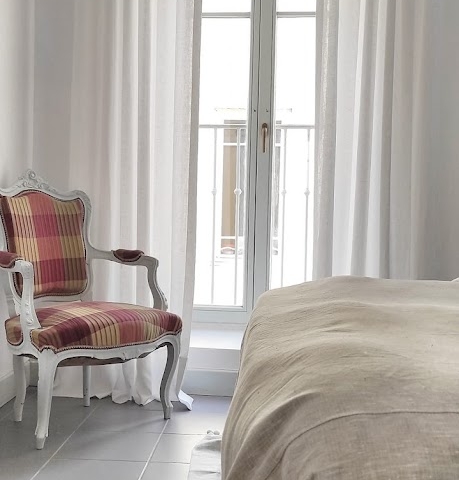
Summer curtains do more than just decorate your windows—they can completely transform your living space during the hottest months of the year. As a homeowner who's experimented with various window treatments, I've discovered that natural fabrics like linen, cotton, and silk are exceptionally breathable and help regulate indoor temperatures effectively.
Light, neutral-colored linen curtains are certainly worth considering for your summer house curtains. In fact, linen is considered the strongest of all natural fibers, making it an incredibly durable choice that maintains its condition for many years. Additionally, these lightweight, soft fabrics allow plenty of sunlight to filter through while maintaining privacy, creating a bright and cheerful ambiance throughout your home.
In this guide, we'll explore how to select the perfect summer curtains that not only look stunning but also keep your home cool and comfortable. From fabric selections to design tips, I'll share expert advice to help you make informed decisions that enhance both the functionality and esthetics of your windows during the warmer seasons.
Understanding the Role of Summer Curtains
The right summer curtains serve as your home's first line of defense against the intense heat and glaring sunlight of the season. Beyond mere decoration, these fabric guardians play a crucial role in creating comfortable living environments when temperatures rise.
Why summer curtains matter
Many homeowners underestimate just how significantly curtains can impact their living spaces. Remarkably, studies show that energy savings from using appropriate curtains can range from 41% to 62%, depending on the type and installation methods. Similarly, other research has found that well-fitted window coverings can achieve savings between 24% and 38%.
The effectiveness of summer curtains primarily depends on:
- Their ability to create a sealed air gap between the fabric and window frame
- The reflective properties of the material and color
- Their breathability and light-filtering capabilities
Furthermore, strategic use of summer curtains eliminates the need to rely heavily on air conditioning. By blocking direct sunlight during peak hours, they prevent excessive heat buildup, consequently reducing your energy consumption and utility bills.
The functional benefits extend beyond energy efficiency. Summer curtains also protect your furniture and flooring from harmful UV rays that cause fading and deterioration over time. This happens because ultraviolet light interacts with water molecules in fabrics, creating a gradual bleaching effect.
How they impact room temperature and mood
Summer curtains significantly influence both the physical temperature and psychological atmosphere of your living spaces. During hot summer days, closed curtains on sun-exposed windows can dramatically reduce indoor temperatures. Specifically, thermal-backed curtains act as insulators, helping to regulate indoor temperatures by keeping heat out during summer.
Light-colored curtains reflect sunlight rather than absorbing it, notably contributing to a cooler indoor environment. As explained by experts, "Light hues like white, beige, or pastels not only enhance the brightness of your rooms but also minimize heat buildup".
Moreover, the psychological impact of curtains shouldn't be overlooked. Different colors evoke various emotions and feelings, creating what one expert calls "a visual symphony that resonates with our emotions". For instance, light-filtering curtains diffuse harsh sunlight to create a soft, ambient glow that can elevate mood and create a more inviting atmosphere.
The type of lining also affects room ambiance significantly. Blackout linings create dark, restful environments ideal for sleep, whereas light-filtering linings allow soft, diffused daylight to enter. For those seeking a balance, thermal interlinings help regulate temperature while maintaining a pleasant atmosphere.
When selecting summer curtains, it's essential to consider the overall color scheme of your room, including walls, furniture, and accessories. Additionally, think about the room's function—whether for cooking, relaxing, or socializing—as these factors influence the most appropriate curtain style for your space.
In essence, summer curtains do far more than adorn your windows—they actively contribute to creating comfortable, energy-efficient, and psychologically pleasing living spaces throughout the hottest months of the year.
Top Fabric Choices for Summer Curtains
Selecting the perfect fabric for your summer curtains makes all the difference between a stuffy, overheated room and a cool, comfortable sanctuary. Each material offers unique benefits that can enhance both the appearance and functionality of your windows during warmer months.
Linen: breathable and stylish
Linen stands out as a premier choice for summer window treatments, thanks to its exceptional breathability and natural texture. Made from flax plant fibers, this fabric creates a "magical drape and texture to catch the light," according to textile experts. The porous structure of linen allows air to circulate freely through the fabric, making it particularly valuable in humid areas and smaller rooms that might otherwise feel stuffy.
What makes linen truly special is its durability coupled with a relaxed esthetic. When laundered properly, linen curtains develop a soft, lived-in quality that adds character to any room. To maintain their crisp appearance, gentle washing at low temperatures is recommended, though they may require occasional ironing to remove wrinkles.
Voile and sheer: light and airy
Voile curtains transform your windows into light-diffusing works of art. These lightweight, transparent fabrics filter 20-30% of sunlight, creating a warm, glowing atmosphere throughout your home. Unlike heavier options, voiles maintain privacy during daylight hours without sacrificing natural illumination.
According to interior design experts, sheer curtains serve multiple purposes beyond window coverage. They effectively diffuse harsh sunlight, preventing overly bright rays while bathing your space in gentle, flattering light. Additionally, these versatile fabrics can function as elegant room dividers, offering flexible separation without permanent walls.
Cotton blends: natural and soft
For those seeking versatility with softness, cotton-linen blends offer the best of both worlds. These combinations "seamlessly blend the relaxed look of linen with all the softness of cotton for the perfect drape," as noted by fabric specialists. These natural fibers create curtains that maintain their shape beautifully while feeling luxurious to the touch.
Cotton curtains stand out for their practicality as well. They're remarkably easy to maintain, typically requiring just an annual wash or dry clean followed by weekly vacuuming to preserve their beauty. The fabric's natural composition makes it neither too flimsy nor too bulky, striking the ideal balance for elegant draping.
Blackout options for light control
When summer sunrises disrupt your sleep or intense afternoon light creates uncomfortable glare, blackout curtains provide an effective solution. These specialized fabrics completely block out sunlight and can reduce a home's heat loss by up to 20%, making them particularly valuable for sliding glass doors and large windows.
Beyond sleep benefits, blackout curtains offer surprising additional advantages. They reduce annoying glare on computer screens, protect furniture from UV damage, and provide significant energy savings by minimizing heat transfer through windows. For maximum flexibility, consider pairing blackout curtains with sheers to maintain control over light and privacy throughout the day.
Thermal linings for heat insulation
Thermal technology has revolutionized summer curtain functionality through specialized linings that reflect 80-90% of heat rays. During summer months, these advanced fabrics redirect solar radiation outward, effectively reducing indoor temperatures by up to 7°C according to thermal textile manufacturers.
Unlike standard curtains, thermal options provide year-round benefits. The same technology that keeps heat out during summer months works in reverse during winter, reflecting indoor heating back into your rooms and reducing energy bills by up to 46%. This dual-season functionality makes thermal linings a particularly wise investment for homes with temperature regulation challenges.
Design Tips to Transform Your Windows
Your window treatments serve as the framework for your interior, creating visual anchors that can completely revitalize your space. The right design choices for summer curtains go beyond mere functionality, offering an opportunity to transform the entire ambiance of your home.
Choosing the right color palette
The colors you select for your summer curtains dramatically influence both the temperature and mood of your living spaces. As Debbie Leigh, design manager at ILIV, explains, "While exact matching is not necessary, curtains should complement the room's decor by coordinating in color, pattern, texture, and style".
For a subtle, sophisticated look, consider:
- Soft pastels that create a gentle, soothing atmosphere
- Neutral tones like white, beige, or light gray that reflect natural light
- Light patterns in neutral shades that add texture without overwhelming bold walls
If you're aiming for a more dramatic statement, deep hues like navy or emerald green create sophistication, especially in large bedrooms with abundant natural light. Meanwhile, warm earthy tones such as terracotta, sienna, or copper bring energy and comfort, "helping enhance the natural light within your room".
For rooms with red walls, neutral curtains in beige, cream, or white offer balanced contrast, whereas metallics like gold or silver add a touch of luxury. Hence, the key is selecting colors that serve your specific needs – whether creating a focal point or allowing other elements to take center stage.
Patterns that enhance summer vibes
Patterns can infuse your windows with personality and seasonal flair. Floral prints naturally complement summer decor, evoking a sense of romance and connection to nature. As designers note, "The positive effects of flowers for wellbeing are well storied, so bring home the blooms and set the tone for spring with a floral window dressing".
Geometric patterns provide a contemporary twist with bold, graphic designs that create visual interest. These work exceptionally well in minimalist spaces where you want to add dimension without overwhelming the room. Subsequently, tropical-inspired prints featuring palm leaves, jungle motifs, or vibrant birds introduce vacation vibes to your everyday living spaces.
Indeed, for large windows, patterned curtains frame the space beautifully and add unique style. Designer Bo demonstrates this by layering Aurora Pacific patterned curtains with voile curtains for additional insulation, showing how patterns can be both practical and esthetically pleasing.
Matching curtain style with room decor
Your curtains act like a picture frame, anchoring the room and creating a cohesive framework. Therefore, consistency in curtain design ensures a visually pleasing space. Interior designer Pippa Jameson emphasizes that "mismatched curtains draw immediate attention and can make the room feel unbalanced".
In spaces with detailed wallcoverings, designer Dane Austin recommends selecting drapery in the same color as the wallcovering's background but with its own pattern. When the curtains are open, the folded print harmonizes with the wall without requiring an exact match.
For rooms with accent colors in pillows, rugs, or artwork, curtains can echo these hues to tie the room together. This strategy works particularly well in rooms with neutral base colors where accents play a vital role in the overall design.
Remember that curtains don't necessarily need to match across every window in your home. Embracing eclecticism can lead to more interesting and dynamic spaces—provided there's a thoughtful balance and common thread tying elements together.
Practical Tips for Picking the Right Curtains
Getting the practical aspects of curtain selection right can make or break your summer window treatment project. The perfect summer curtains should be both beautiful and functional, which requires attention to several technical details.
Measuring your windows correctly
Before purchasing any curtains, accurate measurements are essential. First, determine whether you'll use a track or pole, as this affects how you measure. For a pole, measure the total width (excluding finials) rather than the window itself. For tracks, measure the entire track length.
For length measurements, decide where you want your curtains to end:
- Windowsill curtains should finish 0.5-1cm above the sill
- Below-sill (apron) curtains typically end 15cm below the sill
- Floor-length curtains should finish 1cm from the floor
- Puddle curtains extend 1-3 inches beyond floor length
When measuring for eyelet curtains, start from the top of the pole to your desired drop point. For pencil pleat curtains, measure from the eye of the curtain ring if using a pole, or from the top of the track.
Layering for flexibility and function
Layering curtains provides multiple benefits beyond esthetics. This approach offers enhanced light control, as sheers diffuse natural light while heavier curtains block it completely when needed. Furthermore, layered curtains improve insulation, potentially lowering utility bills by creating an additional barrier against heat transfer.
The proper layering technique involves installing a double curtain rod system. Place sheer panels on the inner rod closest to the window, then hang heavier, opaque curtains on the outer rod. This setup allows independent movement of each layer, maximizing flexibility throughout the day.
Curtain length and fit considerations
The fullness of your curtains creates that luxurious, designer look. As a rule, panels should be 2 to 2.5 times the width of your window—even if you never plan to close them. This extra fabric creates elegant folds when the curtains are drawn.
For a professional appearance, mount your curtain rods close to the ceiling and extend them past the window edges. This technique draws the eye upward and maximizes natural light when curtains are open. Above all, avoid curtains that are too short, as they can make a room feel unfinished and awkward.
Header styles and hanging methods
Your choice of curtain heading dramatically affects both appearance and functionality. Pencil pleat headers create an elegant, tailored look suitable for both traditional and contemporary spaces. Alternatively, eyelet headings offer a modern finish with large, even folds, though they require poles rather than tracks.
For a contemporary statement, consider wave headings, which create continuous, sinuous curves and stack back neatly—ideal for spaces with limited room around windows. Double or triple pinch pleats offer a classic, luxurious appearance with sewn-in folds that stack neatly when opened.
The hardware supporting your curtains matters as much as the fabric itself. Choose finishes that complement your decor—matte black or brushed brass for contemporary spaces, natural wood for warmer esthetics.
Expert Tips to Maximize Impact
Strategic placement and thoughtful selection turn ordinary summer curtains into powerful design elements that transform your entire space. With a few expert techniques, you can elevate your window treatments from merely functional to genuinely impactful.
Using curtains to create focal points
Floor-to-ceiling curtains immediately draw the eye upward, making rooms feel more spacious. Hang them close to the ceiling and let them "kiss the floor" to create this dramatic effect. As interior designers note, the beauty of curtains lies not only in their practicality but also in how they bring flair to interior design.
Bold patterns or vibrant colors can serve as statement pieces in otherwise neutral rooms. For maximum impact, consider floral designs that add interest without overwhelming the senses. The way curtains drape around window frames contributes significantly to their visual impact—proper draping gives living spaces just enough drama while maintaining a cozy, welcoming feel.
Combining function with esthetics
Layering curtains offers the perfect balance between beauty and practicality. Pairing sheer curtains with heavier drapes facilitates varying levels of privacy and light control, simultaneously adding depth and richness to your room's design. This approach creates a pocket of air between layers that serves as an additional insulating barrier.
During summer, medium-colored draperies with white-plastic backings can reduce heat gains by 33%. For maximum effectiveness, ensure curtains are hung as close to windows as possible, creating a sealed space that prevents heat transfer.
Don't overlook curtain hardware and accessories—rods, finials, and tiebacks available in various styles and finishes can enhance the overall impact. These details should complement your design theme, whether modern, traditional, or eclectic.
When to use summer house curtains
For thermal curtains to effectively keep rooms cool, close them before sunlight enters the room. Don't wait until the sun heats the space—this only traps warmth inside. Instead, close east-facing curtains early in the morning and keep others closed during peak sunlight hours (11 a.m. to 4 p.m.).
Light-colored curtains reflect sunlight rather than absorbing it, creating cooler indoor environments. Additionally, thermal curtains with foam coatings should be installed with the coated side facing the window for optimal effectiveness.
On particularly hot days, manage both curtains and windows strategically—close windows and curtains when outside temperatures exceed indoor ones, opening them only during cooler mornings and evenings.
Conclusion
After exploring the world of summer curtains, you now have all the knowledge needed to transform your windows into stunning focal points that keep your home cool and comfortable. Summer curtains clearly offer far more than mere decoration—they actively regulate temperature, protect furnishings, and dramatically influence both the physical comfort and esthetic appeal of your living spaces.
Remember that fabric selection stands at the heart of effective summer window treatments. Linen provides unmatched breathability with elegant texture, while voile creates that ethereal, light-diffusing quality many homeowners desire. Cotton blends offer practical durability, and thermal or blackout options give you precise control over light and temperature.
Though selecting the perfect curtains might seem overwhelming initially, focusing on your specific needs simplifies the process considerably. First, consider your primary goal—whether cooling efficiency, light control, or visual impact. Next, select fabrics, colors, and patterns that complement your existing decor while fulfilling that primary function.
Undoubtedly, proper installation makes all the difference in both appearance and functionality. Hanging curtains higher and wider than window frames creates an illusion of larger windows and allows maximum light when curtains are open. Additionally, ensuring proper fullness (2-2.5 times your window width) provides that luxurious, professional look.
Finally, remember that timing matters when using summer curtains effectively. Close them strategically before heat builds up rather than after your rooms become uncomfortable. This proactive approach, coupled with thoughtful fabric selection, transforms your windows into powerful tools for both comfort and beauty.
Summer curtains represent that rare home improvement offering immediate visual transformation alongside practical benefits. Whether you're seeking energy savings, enhanced decor, or simply a more comfortable home during hot months, the right curtains deliver remarkable results with minimal investment. All things considered, few changes impact your living space as significantly as these fabric guardians of comfort and style.




Article comments
Leave a comment