
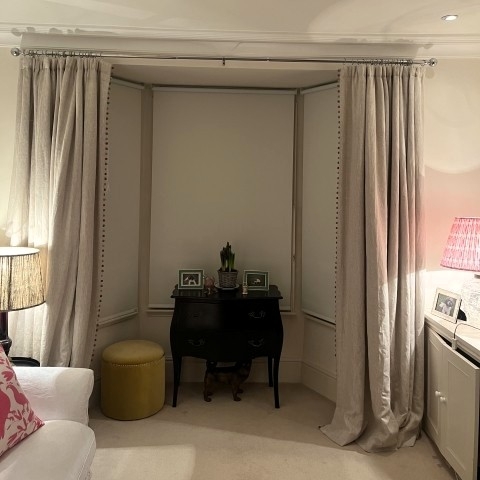
Understanding Living Room Curtain Functionality
Curtains serve multiple essential functions beyond mere decoration in your living room. They control light, maintain privacy, and regulate room temperature—all crucial elements for creating a comfortable home environment.
Light Control Options
Living room curtains come in various light-filtering capabilities to match your specific needs. Light-filtering fabrics gently diffuse natural sunlight, creating a soft, pleasant ambiance throughout your space. These lightweight options allow sunshine to stream in during the day yet provide sufficient daytime privacy.
For areas where you need more darkness control, blackout curtains prove extremely effective. They excel at blocking unwanted light, making them ideal for rooms with large windows facing direct sunlight. Research shows that blackout curtains can significantly reduce glare on television screens, creating a more enjoyable viewing experience. Furthermore, they aren't limited to dark colors—many retailers offer colorful pink, blue, and green blackout options that still effectively block light.
Temperature Regulation Benefits
Beyond light management, curtains play a substantial role in your home's energy efficiency. Studies indicate that drawing standard curtains at dusk can reduce heat loss through windows by approximately 15%. Additionally, upgrading to thermal curtains that properly fit your windows can boost this efficiency, reducing heat loss by up to 25%.
Thermal curtains particularly benefit homes with older, single-glazed windows or sash windows with gaps around the frame. These specialized curtains create thermal air pockets similar to double-glazed windows, providing excellent insulation. For maximum thermal benefit, look for curtains made from medium to heavyweight fabrics with tight weaves.
Privacy Solutions
Privacy remains an essential function of living room curtains, especially for street-facing windows. Privacy curtains offer more opacity than voile or sheer alternatives without completely blocking natural light. For homes directly facing streets, frosted window film can provide an alternative contemporary solution, allowing light to flood in while keeping valuables hidden from outside view.
Through thoughtful selection of your living room curtains based on these functional needs, you can create a space that perfectly balances comfort, style, and practicality.
Selecting the Perfect Curtain Materials
The fabric choice forms the foundation of your living room curtains, determining not only their appearance but also their performance over time. Different materials offer unique benefits that align with specific needs and interior styles.
Cotton stands out as the most popular curtain fabric due to its remarkable versatility. This natural material works beautifully in any climate and provides a casual, comfortable esthetic that complements various design styles. For maximum protection and fullness, cotton curtains benefit from appropriate lining since they're typically lighter weight than alternatives.
Polyester offers exceptional practicality for busy households. These curtains resist fading, clean easily, and maintain their appearance through regular use—making them ideal for families with children or pets. Moreover, polyester curtains typically cost significantly less than natural fiber options while still offering impressive durability.
For a touch of luxury, consider these distinctive options:
- Linen: Creates a relaxed elegance with beautiful draping properties that never go out of style
- Wool: Provides natural insulation and is inherently flame-retardant without chemical treatments
- Velvet: Delivers superior insulation while adding a rich, sumptuous texture to your space
The right lining dramatically enhances your curtain's performance. Standard linings add structure and protect against fading, while thermal options improve energy efficiency by creating an insulating barrier that minimizes heat loss. For living room blackout curtains, specialized linings block all incoming light—perfect for media rooms or spaces with glare issues.
Fabric quality ultimately determines longevity. As a result, investing in higher-grade materials often proves cost-effective long-term. Cotton panama and wool varieties offer exceptional durability, though quality polyester blends can provide similar longevity at lower price points.
Beyond appearance, consider practical maintenance requirements. Polyester and cotton blends typically tolerate machine washing, whereas delicate fabrics like silk or velvet generally require professional cleaning. Ultimately, your perfect curtain material balances esthetic preferences with practical considerations like light control, insulation needs, and cleaning requirements.
Measuring and Hardware Essentials
Precise measurements form the cornerstone of successfully installed living room curtains that both look and function beautifully. Initially, determine the ideal rod placement—positioning it 4-6 inches above your window frame creates an illusion of height. For maximum visual impact, extend your curtain rod 8-12 inches beyond the window's width, allowing for 4-6 inches on each side.
When measuring curtain length, decide which style suits your space. Floor-length curtains should end approximately 1cm above the floor for a polished look, while windowsill curtains should stop 1cm above the sill. For dramatic effect, puddle curtains extend 2-6cm beyond standard floor length, creating a luxurious pooling effect ideal for formal living areas.
Curtain width calculations require equal attention. For proper fullness, ensure your curtains measure at least 1.5-2 times your window's width. This ratio provides the elegant gathered appearance most homeowners prefer when curtains are closed.
Beyond measurements, hardware selection profoundly impacts both functionality and esthetics. For heavier fabrics like those used in living room blackout curtains, choose sturdier hardware:
- Metal or wooden poles at least 30mm in diameter adequately support substantial curtains
- Install support brackets every 30-36 inches for proper weight distribution
- Consider double-track rails for layering curtains and sheers simultaneously
For bay windows, both tracks and poles work effectively if properly installed. Tracks offer more discretion by remaining almost entirely concealed when curtains are closed, whereas decorative poles make a bolder design statement through finials and visible hardware.
Critically, ensure ceiling-mounted tracks include the necessary 5cm allowance in curtain drop measurements, as the track hangs down this distance. Properly anchoring brackets into wall studs or using appropriate wall anchors prevents hardware failure with heavier living room curtains.
Conclusion
Selecting the right curtains transforms your living room through thoughtful consideration of functionality, materials, and proper measurements. While light control and privacy needs guide initial choices, material selection ensures long-term satisfaction with your investment. Cotton offers versatility for most homes, though specialized options like thermal or blackout curtains might better suit specific requirements.
Proper measurements make the difference between average-looking curtains and those that enhance your living space. Remember that positioning curtains 4-6 inches above window frames creates visual height, while allowing 1.5-2 times the window width ensures elegant fullness when closed.
Quality hardware supports both function and style, especially for heavier fabrics or layered arrangements. Though initial setup requires careful planning, well-chosen curtains reward you with improved room comfort, enhanced privacy, and significant energy savings through better temperature control.
Your perfect living room curtains balance practical needs with personal style preferences. Take time to evaluate each aspect we've covered, from fabric selection to hardware requirements. This attention to detail ensures your curtains serve their purpose beautifully for years ahead.
FAQs
Q1. How do I choose the right curtains for my living room? Consider factors such as light control needs, privacy requirements, room style, and energy efficiency. Measure your windows correctly, select appropriate fabrics, and choose colors that complement your decor. Don't forget to factor in the curtain's functionality, such as light filtering or blackout properties.
Q2. What are the best curtain materials for a living room? Cotton is versatile and popular, while polyester offers durability and easy maintenance. For luxury, consider linen, wool, or velvet. The best material depends on your specific needs, such as insulation, light control, and maintenance preferences. Quality linings can enhance performance and longevity.
Q3. How high should I hang my living room curtains? For the best visual impact, hang curtains 4-6 inches above the window frame. This creates an illusion of height and makes your room appear larger. Extend the curtain rod 8-12 inches beyond the window's width on each side for optimal coverage when the curtains are open.
Q4. What color curtains work best in a living room? While personal preference plays a role, neutral colors like beige, tan, and gray are versatile choices. Blue and yellow can create a positive atmosphere. Consider your room's color scheme and the amount of natural light it receives. Remember, the curtain color can significantly impact the room's overall ambiance.
Q5. How do I ensure my curtains provide adequate privacy and light control? Choose fabrics with appropriate opacity for your needs. Light-filtering curtains offer daytime privacy while allowing some natural light. For complete privacy and darkness, opt for blackout curtains. Consider layering sheer curtains with heavier drapes for adjustable light control and privacy throughout the day.




Article comments
Leave a comment